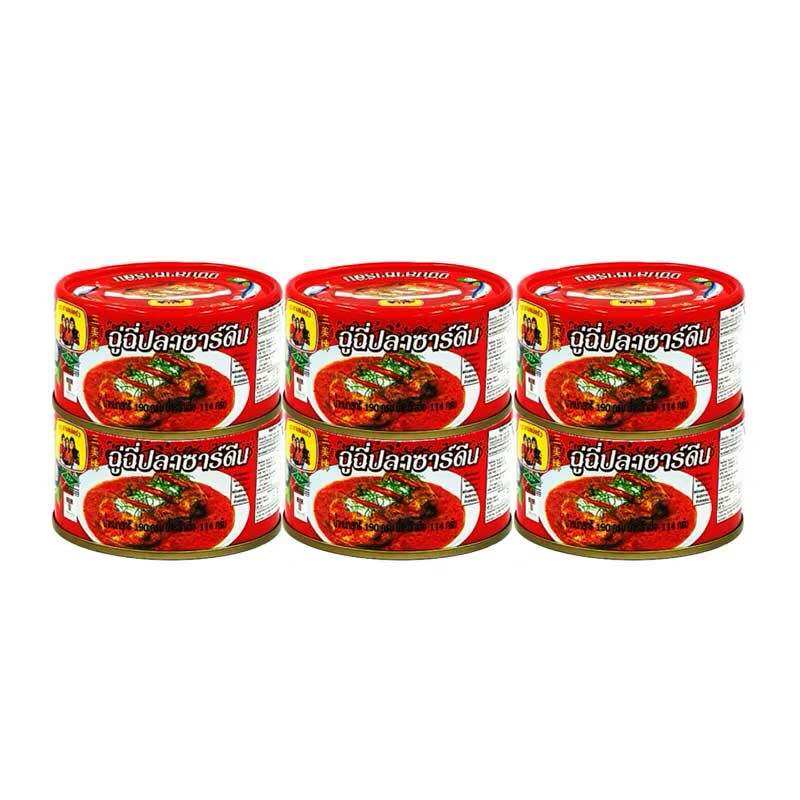
Thailand is one of the world's leading exporters of canned food. Its canneries are especially known for canned tuna and sardines, canned fruit such as pineapple, coconut milk, and ready-to-eat curries and meals. Retail chains, food-service distributors and private-label brands source from Thailand both under the factories' own brands and under their own labels.
Common product groups
- Seafood — tuna in oil, brine or water; sardines and mackerel in tomato sauce or chili sauce; flavoured tuna.
- Fruit — pineapple, tropical fruit cocktail, longan, rambutan, lychee in syrup or juice.
- Coconut — coconut milk and cream in cans or cartons.
- Ready meals and curries — Thai curries, soups and rice dishes in cans or retort pouches.
What to specify in your enquiry
- Product and recipe — species (for example skipjack or yellowfin tuna), cut (solid, chunk, flakes), packing medium, fruit grade and syrup type.
- Can size and net / drained weight — and whether you need easy-open ends.
- Label — factory brand or your private label, language and market-specific labelling.
- Carton and pallet configuration, and quantity per container.
- Destination and Incoterm — FOB, CFR or CIF to your port.
Certifications and registrations to check
- Food safety systems — GMP and HACCP as a base; many export canneries also hold BRCGS or IFS for retail buyers.
- Halal — relevant for the Middle East, Malaysia, Indonesia and Muslim consumers worldwide. See our Halal sourcing guide.
- Sustainability — for tuna, some retailers ask for MSC-certified supply or specific fishing-method declarations.
- United States — low-acid canned foods require the producing facility to be registered with the FDA and to file its thermal processes for each product, in addition to general food-facility registration.
- European Union and others — fishery products generally need an approved establishment and health certificates; check the current list for your market.
Ask the supplier which markets it currently ships to and request copies of the relevant certificates and registrations.
Quality points worth agreeing on
- Drained-weight tolerance and how it is measured.
- Can integrity checks (seams, dents, corrosion) and coding format.
- Shelf life and date-coding on cans and cartons.
- Laboratory testing — for example histamine for tuna, or heavy-metal limits required by your market.
Comparing quotations
Canned food prices move with raw-material costs such as fish and fruit, so quotations often have a short validity. Compare suppliers on the same specification, can size and Incoterm, and ask how long each price is valid.
Find Thai canned food suppliers
Browse Thai food and beverage products or post a free RFQ with your product, can size and destination. For trade terms, read FOB vs CIF when buying from Thailand.